
When the Good Guy Loses

There is a particular heaviness that settles over a moment when the good guy loses. It is not loud or dramatic. It is quiet—an unsettling stillness that feels like the world has broken one of its own promises. We grow up believing that goodness is supposed to win, that honesty is rewarded, that courage is recognized. So when the good guy loses, it shakes something fundamental in us. It feels like a violation of the natural order.
But these losses reveal truths most people spend their lives trying not to see. Goodness has boundaries; those without conscience have none. The good guy refuses shortcuts, refuses cruelty, refuses to betray others to get ahead. The bad actor does not hesitate. In a world that often rewards speed, aggression, and self‑interest, the person with principles is at a tactical disadvantage.
Yet the loss is never as final as it appears.
When the good guy loses, something deeper begins. Integrity survives defeat. Character strengthens under pressure. Systems that once hid their flaws are exposed by the very act of resisting them. People watching quietly take note of who stood firm, who told the truth, who refused to bend. Loss becomes a catalyst. It sparks conversations, movements, and reforms. It plants seeds that may take years to grow.
The good guy’s victories are rarely immediate. They are slow, cumulative, and often invisible. They show up in the people they protected, the truths they preserved, the harm they refused to commit. The bad guy may win the moment, but the good guy shapes the future.
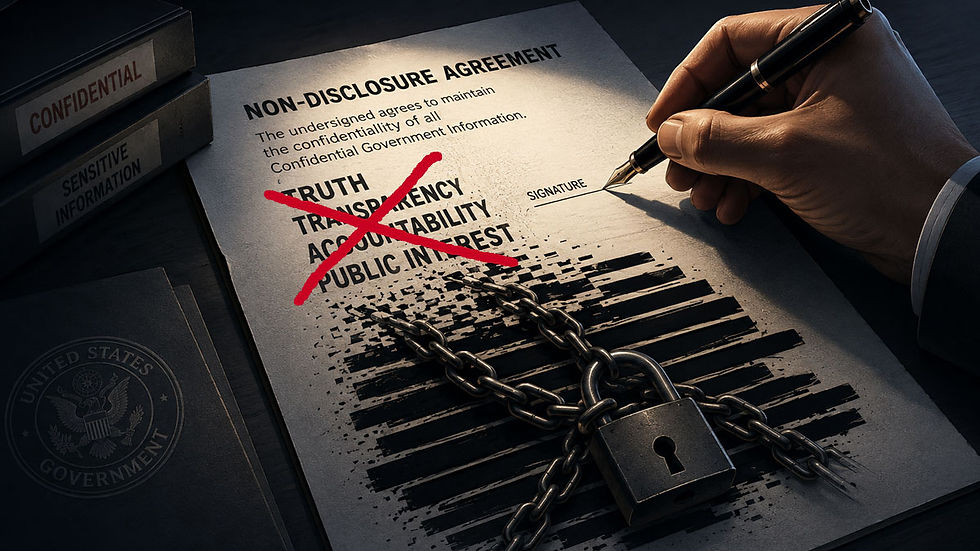
Because goodness, even when it loses, leaves a mark that winning cannot erase. And this is a truth most whistleblowers learn: winning is never guaranteed.


Comments